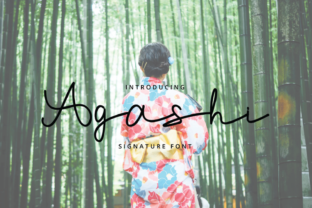
Agashi: A Script Font for Authentic Branding
As a small business owner, you quickly learn that your brand is more than just a logo or a product. It is the feeling customers get when they interact with your materials. Whether it is a handmade candle label, a café menu, or an Instagram post, every touchpoint matters. This is why choosing the right typeface is one of the most critical design decisions you will make. Enter Agashi, a light and charming script font from Script Amp that offers a unique blend of elegance and approachability. For entrepreneurs looking to elevate their visual identity without losing authenticity, Agashi provides the perfect balance of personality and professionalism.
Why Visual Consistency Builds Trust
In the crowded marketplace of online selling and local services, consistency is key to building trust. When your packaging, website visuals, and social media graphics all share a cohesive look, customers perceive your business as established and reliable. A haphazard mix of fonts can make a brand feel amateurish, while a well-chosen premium font like Agashi signals attention to detail. This script font carries a mood that is both inviting and refined, making it ideal for businesses that want to appear friendly yet high-quality. By integrating Agashi into your brand identity, you create a recognizable visual language that helps customers remember you.
Real-World Applications for Small Businesses
The versatility of Agashi makes it a powerful tool across various business materials. Here is how you can practically apply this creative font in your daily operations:
- Product Packaging and Labels: If you sell handmade goods, such as artisanal soaps, candles, or baked items, Agashi adds a personal, handcrafted touch. Its flowing lines mimic natural handwriting, which resonates well with customers who value authenticity. Use it for product names on labels to create a boutique feel.
- Social Media Graphics: On platforms like Instagram and Pinterest, visuals stop the scroll. Agashi works beautifully for quote overlays, sale announcements, or introductory headers in carousel posts. Its light weight ensures it does not overpower the background image, keeping the focus on your message.
- Website Banners and Headers: For service providers like coaches, photographers, or consultants, using Agashi in website headers can soften the professional tone, making your services feel more accessible and human-centric.
- Printed Materials: From business cards to thank-you notes included in shipments, this font adds a layer of charm. A simple "Thank You" written in Agashi feels personal and appreciative, enhancing the customer experience.
Balancing Style with Readability
One common concern when using a script font is readability. While decorative typefaces are eye-catching, they can be difficult to read if used incorrectly. Agashi is designed with clarity in mind, but it still requires strategic placement. It shines as a display font for headlines, logos, and short phrases. However, it is not suitable for long paragraphs of body text. For instance, on a café menu, use Agashi for the section titles or special item names, but stick to a clean sans serif for the descriptions and prices. This ensures that customers can easily scan the information while still enjoying the aesthetic appeal of the script.
When designing for mobile screens or small product labels, test the size carefully. What looks elegant on a desktop monitor might become illegible on a tiny sticker. Always print a prototype or view your design on a phone before finalizing production. This practical step saves money and prevents customer confusion.
Smart Font Pairing Strategies
To maximize the impact of Agashi, pair it with complementary typefaces. The goal is contrast. Since Agashi is expressive and fluid, it pairs best with structured, neutral fonts. Consider these combinations:
- Agashi + Clean Sans Serif: This is the most versatile pairing. A geometric sans serif provides a modern, stable foundation that lets Agashi stand out as the accent. This works well for tech startups, modern boutiques, and minimalist brands.
- Agashi + Classic Serif: For a more traditional or luxurious feel, pair Agashi with a serif font. This combination evokes heritage and sophistication, making it ideal for wedding planners, luxury beauty products, or high-end consulting firms.
Avoid pairing Agashi with other script or handwritten fonts. Competing decorative styles create visual noise and reduce professionalism. Keep the supporting fonts simple to let Agashi do the heavy lifting in terms of personality.
Testing Before Full Implementation
Before rolling out Agashi across all your design assets, conduct a thorough test. Create mockups of your most important materials: your primary logo, your best-selling product label, and your most-used social media template. Ask yourself if the font aligns with your target audience. Does it feel too casual for a corporate client? Does it feel too stiff for a playful children’s brand? Agashi’s light and charming nature makes it adaptable, but context matters. Gather feedback from trusted peers or even a small group of existing customers. Their perception will tell you if the font enhances your brand message or distracts from it.
Licensing and Commercial Use
As a responsible business owner, always verify the licensing terms before using any commercial font. Ensure that your purchase of Agashi covers the intended uses, such as physical product packaging, digital ads, and merchandise. Some licenses require additional fees for large-scale distribution or specific media types. Checking these details upfront protects your business from legal issues and ensures you support the creators behind the typography. Script Amp typically provides clear guidelines, but reading the fine print is a necessary step in professional web design and print production.
Incorporating Agashi into your toolkit is more than just a aesthetic choice; it is a strategic move toward a more cohesive and memorable brand. By using this font thoughtfully in your logos, packaging, and digital content, you communicate quality and care to your customers. It helps transform ordinary materials into engaging brand experiences, fostering loyalty and recognition in a competitive market.